Moving forward: advancing the EDIGIT training modules for inclusive STEM

During the first half of 2025, the team CITIC-University of A Coruña (UDC) has guided the development of the methodological and pedagogical guidelines that form the foundation for the training modules of the EDIGIT project.
Following the initial phase of consultation and analysis through focus groups organised in all partner countries, the results were presented at the second transnational project meeting, held in Porto in June 2025 and hosted by EPES. In this session, CITIC-UDC presented the final version of the methodological framework and module index, which were refined based on the contributions of teachers, researchers, and professionals from the fields of inclusion, education, and digital accessibility.
Key conclusions emphasised the importance of applying Universal Design for Learning (UDL), promoting a practical approach through real-world activities and case studies, and strengthening the connection between theory and practice. Additionally, the assignment of the six training modules among consortium partners was defined according to their expertise, consolidating the structure that will guide the next stage.
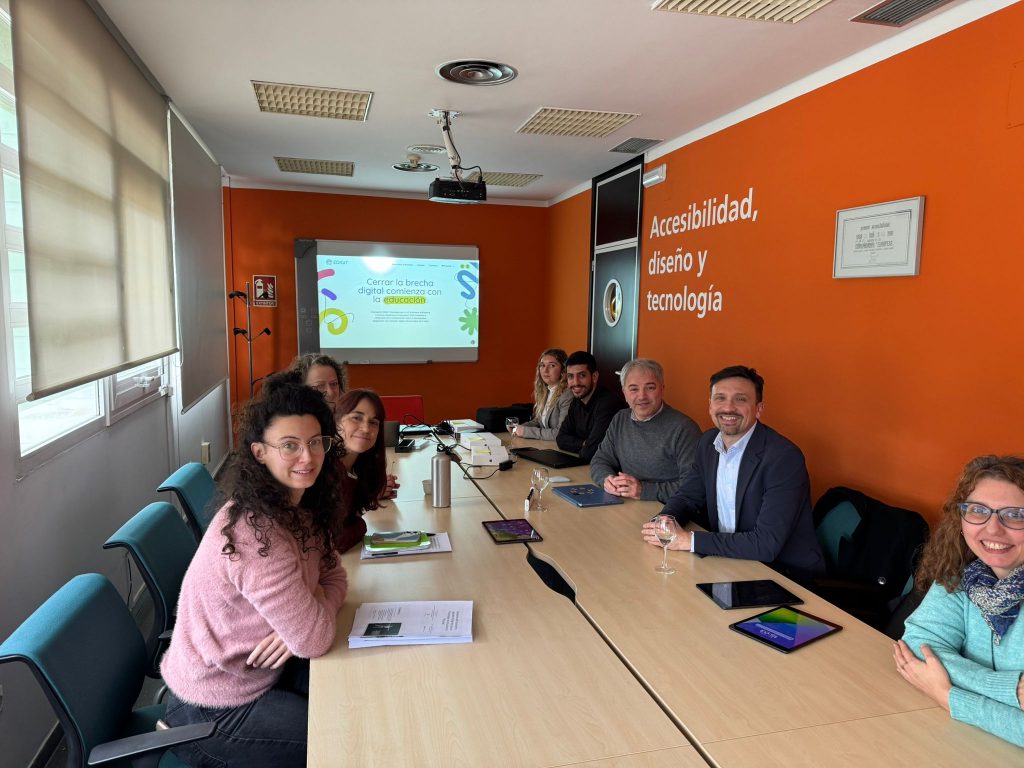
Now immersed in the content creation phase, the partners gathered in Budapest (february 5-6) to review the first module drafts, design interactive assessments, and plan the 2027 trainers training in A Coruña, Spain.
These coordinated efforts bring the project one step closer to its ultimate goal: making STEM education an open, inclusive, and participatory space for everyone!
Discover all the details about the Budapest meeting
Watch the new EDIGIT video!
At its heart, the video highlights EDIGIT’s main mission: bridging the digital divide to ensure a fair and accessible technological future for everyone. As shown, achieving this goal requires a joint effort. That is why the project focuses on three key pillars:
- Inclusive STEM education: Equipping teachers with practical tools and training modules to incorporate inclusion and universal design into everyday science and technology classrooms.
- Cross-sector collaboration: Building strong collaborative networks between the education, technology, and disability care sectors.
- Active co-creation: Empowering people with cerebral palsy and other disabilities to actively create technological solutions, rather than just use them passively,
This video is the perfect way to quickly understand the project’s scope and share its inclusive message with other educators, tech developers, and social workers.